

Walkabout Harnesses, LLC — Lift & Support for Dogs
Walkabout Harnesses, LLC Support & Lift Systems
Two harnesses, one steady hand — rear and front support designed around the moments standing up feels hardest.
Featured Products
A closer look at what Walkabout Harnesses, LLC makes — the pieces our customers reach for first.
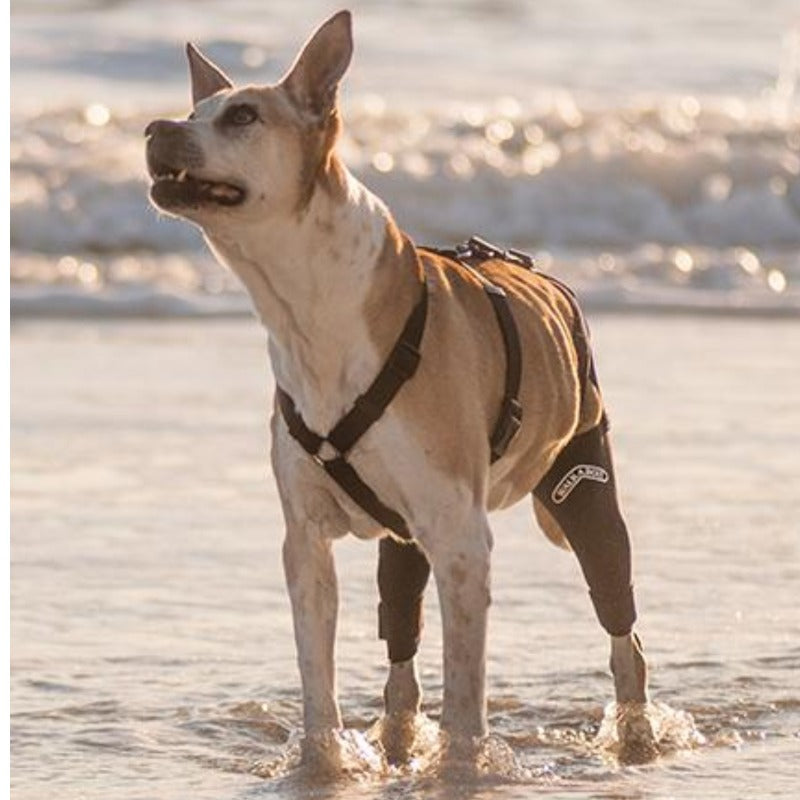
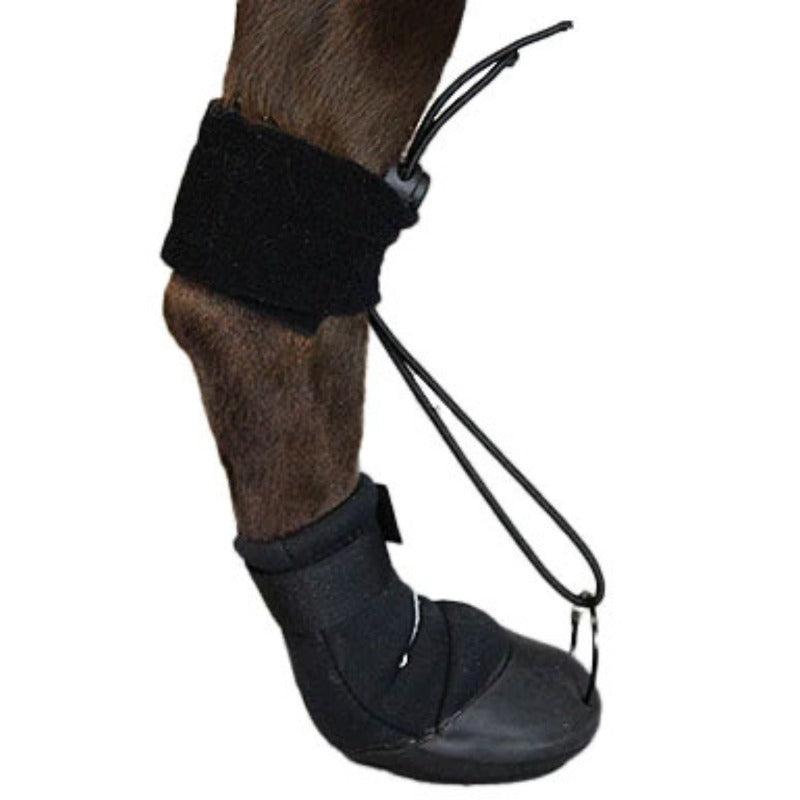
Steady help when your dog needs it most
When a dog struggles to stand, walk, or finish a trip outside, the caregiver often becomes the counterbalance — leaning, lifting, bracing with whatever grip is closest. Walkabout Harnesses, LLC was built for exactly these moments.
The line centers on two pieces: the Walkabout Rear Support Harness, which cradles the hind end for dogs with weakness behind, and the Walkabout Front Harness, which steadies the chest and shoulders when a dog needs help from the front. Together they offer a coordinated way to help a dog up, down stairs, outside, and back again.
What a support harness changes at home
A well-fitted harness redistributes the work of standing and walking between you and your dog. Instead of a towel under the belly or a hand around the ribs, support comes from straps positioned where a dog's frame can safely bear it.
- Rear support lifts the hindquarters so a dog with hip, knee, or spinal weakness can still step outside and relieve themselves.
- Front support steadies the chest for dogs whose front end gives out first, including those recovering from cervical surgery.
- Combined use gives full-body lift for dogs that need help at both ends — a common need during post-op recovery.
- Caregiver comfort improves too, because you are no longer absorbing your dog's full weight with your back.
Where the Walkabout Harnesses, LLC line fits in
Support harnesses tend to enter a dog's life during a specific window — the weeks after surgery, the slow decline of degenerative myelopathy, the flare of hip arthritis, or the final stages of senior life. Owners often tell us they wish they had started sooner.
Common situations where a Walkabout Rear Support Harness or Walkabout Front Harness helps:
- Post-surgical recovery — keeping a dog mobile while incisions heal and stitches hold.
- Degenerative conditions — IVDD, DM, hip dysplasia, and age-related hind weakness.
- Injury recovery — when one limb must stay partially unloaded for weeks.
- Senior dogs — preserving the walk they still love with a steadier grip for you.
- Slippery floors — when traction alone isn't enough and the dog needs physical guidance.
How to use the rear and front harnesses together
Each harness is sized to your dog's measurements and worn like a coat, with handles positioned where a person can comfortably stand upright. Most caregivers begin with the rear harness, since hind-end weakness is the most common presentation.
- Step one: Fit the rear harness first, adjusting the straps so the support sits just in front of the hips and behind the ribcage.
- Step two: If your dog also needs front-end help, add the Walkabout Front Harness the same way.
- Step three: Use the handles — not your arms, not a towel — to guide your dog up, outside, and through the day.
- Step four: Recheck fit every few weeks, since dogs gain and lose weight during recovery.
As always with mobility gear, a quick conversation with your veterinarian can confirm that a support harness is right for your dog's stage and condition.
Why caregivers and vets trust this approach
Support harnesses have been a quiet fixture in veterinary rehab and in-home palliative care for decades. The Walkabout Harnesses, LLC line has earned a steady reputation among rehab veterinarians and senior-dog owners because it focuses on a narrow job — helping a dog stand and walk — and does it with considered hardware rather than improvisation.
At Golden Wags, we carry Walkabout because we hear the same story from caregivers again and again: a harness bought "just in case" becomes the thing that lets a dog keep walking for months longer than expected. That kind of quiet usefulness is what we look for in every brand we stock.
Browse the Walkabout Harnesses, LLC collection
If your dog is starting to slow down, slipping on the floor, or coming home from surgery soon, the right harness can change the shape of your day. Explore the full Walkabout Harnesses, LLC range — including the Rear Support Harness and Front Harness — and find the configuration that fits your dog.
Questions about sizing or which harness to start with? Reach out to us and we will walk through it with you.
Frequently Asked Questions
What is the difference between the Walkabout Rear Support Harness and the Front Harness?
The Rear Support Harness cradles the hindquarters and is used for dogs whose back end sways, collapses, or struggles to bear weight. The Front Harness steadies the chest and shoulders for dogs who need help from the front, such as those with cervical weakness or post-op front-end recovery. Many caregivers use both together for full-body support.
Can my dog wear a Walkabout harness all day?
Walkabout Harnesses, LLC designs its harnesses for active use — walks, bathroom breaks, therapy sessions, and short outings — rather than all-day wear. Most caregivers put the harness on for support moments and remove it for rest. Check the fit regularly, especially if your dog's weight or coat changes.
Is a support harness right for a dog recovering from surgery?
Support harnesses are commonly recommended after orthopedic and spinal surgery because they let a dog move safely while limiting strain on healing structures. Your veterinarian or rehab specialist can confirm the right timeline and tell you whether the Rear Support Harness, the Front Harness, or both are appropriate for your dog's procedure.
How do I measure my dog for a Walkabout harness?
Sizing depends on girth, length, and the area being supported. Measure around the chest just behind the front legs for the Front Harness, and around the hips and lower back for the Rear Support Harness. If you are unsure, our team at Golden Wags can help you compare measurements to the size chart before you order.
Will a support harness help a senior dog with degenerative myelopathy?
Many owners of dogs with degenerative myelopathy, hip dysplasia, or general hind-end weakness find that a Rear Support Harness preserves safe, assisted walking for months. A harness does not reverse the condition, but it gives both dog and caregiver a steadier, safer way to keep moving together.
Explore More Brands
Other trusted names we carry for senior, blind, and mobility-challenged dogs.